Which Used Machines Are Holding Value in 2026 (And Which Aren’t)
If you’re weighing up whether to buy or sell used machinery right now, timing matters more than it usually does. This builds on our earlier look at marketplace trends, but this time the shift comes with hard numbers attached. The latest global auction data shows a clear split opening up in the secondhand market — and it’s worth knowing which side of that used machinery value shift your gear sits on before you list something or make an offer.
Used Machinery Value in 2026: Earthmoving Gear Is Holding Firm
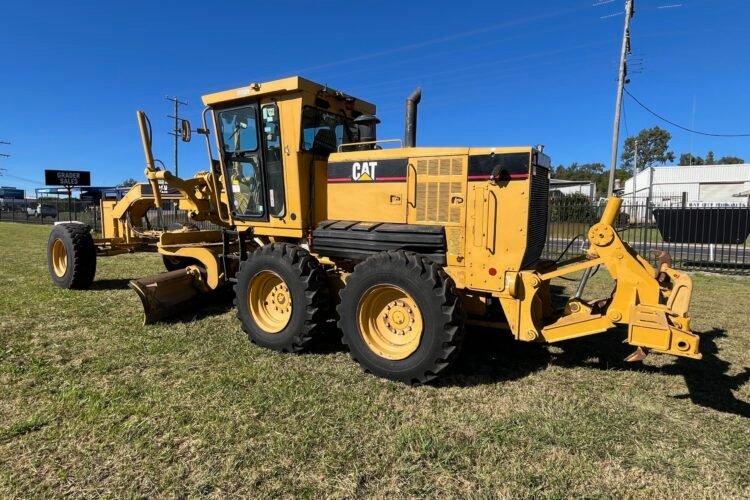
The latest market trends report from Ritchie Bros — the world’s largest used equipment auctioneer — shows earthmoving equipment selling in higher volumes through Q1 2026 compared with the same period last year, while holding steady or improving on median sale price. Excavators, dozers, motor graders and articulated dump trucks all fall into this camp. That’s a strong signal: even with more machines coming onto the market, buyers are still willing to pay for them.
Aerial Equipment Is Under Pressure
It’s a different story for boom lifts, scissor lifts and telehandlers. The same data shows these categories softening in price as higher volumes flood the market. Much of this looks like rental fleets, built up aggressively over the past few years, now working their way through to resale faster than demand can absorb them.
Why Earthmoving Machinery Is Bucking the Trend
Locally, the project pipeline backs this up. Australia’s construction and mining sectors are heading into a heavy few years — Brisbane’s 2032 Olympics infrastructure build, ongoing hospital and transport projects along the east coast, and a mining sector leaning further into automation and decarbonisation capex. All of that leans on machines that move dirt and shift material, not platforms that lift people. That sustained demand helps explain why excavators and dozers aren’t losing ground even as more of them get listed for sale.
A Global Flight to Quality
There’s a structural shift behind the numbers too. As new machinery costs keep climbing — steel tariffs and import costs are pushing new equipment prices up globally — more buyers are turning to well-maintained used excavators instead of ordering new. Buyers sourcing used excavators are also increasingly demanding verified history and documentation rather than taking a punt on an unknown unit, and the 20-22 tonne class from Caterpillar, Komatsu and Sany is doing the most business, largely on parts availability and resale confidence. Growing demand from infrastructure and mining projects in Africa, the Middle East and South America is also pulling quality used excavators out of traditional markets, tightening supply everywhere else — Australia included. If you’re selling a mid-size excavator with a clean service history, you’re in a strong position right now.
What This Means If You’re Buying or Selling
A few practical takeaways depending on which side of the market you’re on:
- Buying earthmoving equipment: don’t expect a bargain-hunter’s market. Prices are holding, so budget accordingly and move when the right machine turns up rather than waiting for a dip.
- Selling earthmoving equipment: this is a reasonable window to list, particularly well-documented mid-size gear with full service history.
- Buying aerial equipment: softening prices mean more room to negotiate — take your time and compare a few listings before committing.
- Selling aerial equipment: expect more competition from other sellers, so a well-presented listing with service records and clear photos matters more than usual.
Make Your Listing Match the Market
Whichever category you’re selling into, the documentation now matters more than the paint job. Buyers comparing used equipment increasingly expect service records, verified hours, and a clear title before they’ll pay full value — we’ve covered how to run those checks in our guides on buying used machinery and checking for a clear title. If you’re selling earthmoving gear, leaning on that paperwork helps you capture the stronger pricing this category is currently seeing. If you’re selling aerial equipment into a softer market, it’s what will set your listing apart from the extra volume competing for the same buyers.
Bottom Line
The days of every machinery category moving in lockstep are behind us. What’s driving used machinery value in 2026 comes down to real differences in project pipeline, global supply and buyer confidence between categories — so it pays to know which basket your machine falls into before you list it or make an offer. Browse current listings on Machinery Classifieds to see how local pricing compares right now.