
Buying Used Machinery? 5 Checks to Avoid a Lemon
Buying Used Machinery?
5 Checks to Avoid a Lemon
Buying used machinery can be a smart move. You can save anywhere from 20% to 40% compared to new, and often get equipment that’s still got years of work left in it. But not every deal is a good one. Some machines look fine on the surface but hide expensive problems underneath.
Before you sign the paperwork or hand over your hard-earned cash, here are five critical checks to protect yourself and make sure you’re getting value for money.
1. Check the Service History
Just like cars, machinery should have a documented service and maintenance history. Ask the seller for records of oil changes, part replacements, hydraulic servicing, and major repairs.Why it matters: Regular servicing means the machine has been looked after, which usually translates to fewer breakdowns and longer life.
- Red flag: If the seller can’t produce any service history, proceed with caution. It could mean poor maintenance or undisclosed repairs.
2. Review the Hours of Use
Machine hours are the equivalent of kilometres on a car. They tell you how much work the machine has done.
- Rule of thumb: Most earthmoving equipment will need major component rebuilds at certain hour marks (for example, 8,000–10,000 hours on an excavator).
- Pro tip: Don’t just look at hours alone – compare them to the machine’s age. A newer model with very high hours might have been worked hard, while an older machine with low hours could be a hidden gem.
3. Inspect for Wear and Tear
A visual inspection is one of the easiest ways to avoid nasty surprises. Focus on high-wear components like:
- Pins and bushings – Excessive play can be expensive to repair.
- Hydraulic cylinders and hoses – Look for leaks, dents, or cracks.
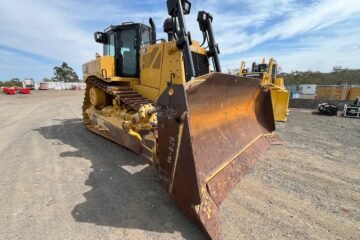
- Undercarriage (for dozers and excavators) – Worn tracks, sprockets, or rollers can cost thousands.
- Tyres – Check for uneven wear, cuts, or sidewall damage.
Don’t be afraid to get dirty – crawl under the machine and take a proper look.
4. Run a PPSR Check
In Australia, the Personal Property Securities Register (PPSR) is your safeguard against buying machinery that’s still under finance, stolen, or written off.
- How it works: For a small fee, you can search using the machine’s serial number or VIN.
- Why it’s important: If you buy equipment that’s still under finance, the finance company can legally repossess it – even if you’ve already paid the seller in full.
This quick step can save you from a very costly mistake.
5. Test Run the Machine
If possible, ask the seller to start and operate the machine. A test run can reveal things you won’t notice in photos or a walk-around.
- Listen: Strange noises from the engine, transmission, or hydraulics are red flags.-
- Feel: Check how responsive the controls are. Sluggish hydraulics may indicate problems.
- Observe: Look for smoke, leaks, or warning lights on the dashboard.
A 15-minute test can sometimes tell you more than hours of conversation with the seller.
Final Thoughts on Buying Used Machinery
Buying used machinery is all about reducing risk. By checking the service history, hours, physical condition, finance status, and performance, you’ll put yourself in the best position to make a smart purchase.
At Machinery Classifieds, we encourage safe, informed buying and selling. Whether you’re looking for excavators, loaders, tractors, or trucks, following these steps will help you avoid a lemon and secure machinery that works as hard as you do.
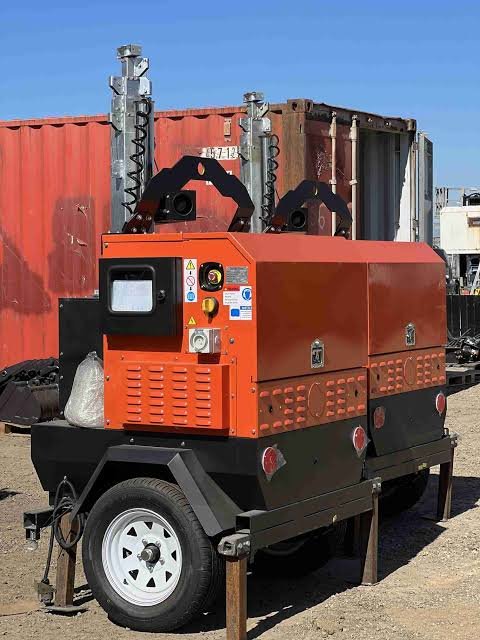
Ready to put these checks into practice? Browse our current listings to compare machines side by side, or if you’re weighing up equipment like light towers, see our light tower comparison for a detailed breakdown of what to look for before you buy.






Comments
1
[…] to see what’s available near you. And if you’re buying second-hand either way, our guide to avoiding a lemon is worth a read before you […]