Chinese vs Traditional Machinery Brands: Pros and Cons Compared
Chinese vs traditional machinery brands is one of the most common questions Australian buyers ask us. It’s a timely question too, with the Australian construction and mining equipment market continuing to expand. Australian job sites look different than they did a decade ago. Alongside long-established names like Caterpillar, Komatsu, Volvo CE, Hitachi and John Deere, you’ll now find Chinese-manufactured machinery from brands such as XCMG, SANY, LiuGong, Zoomlion, CDM and UHI parked on the same sites, doing the same jobs. Whether you’re buying your first skid steer or expanding a mixed fleet, the Chinese-versus-traditional question comes up in almost every conversation. Neither side of the debate has it entirely right – each has genuine strengths and real trade-offs. Here’s an honest, no-bias breakdown to help you weigh it up for your own situation.
Chinese Brand Machinery: The Pros
- Lower purchase price – often 20-40% less than an equivalent traditional-brand machine, which frees up capital or reduces finance repayments
- Modern specs as standard – many new releases include GPS-ready systems, digital displays, and even electric or hybrid options at price points traditional brands reserve for their premium tiers
- Faster model refresh cycles – manufacturers are iterating quickly, so recent releases often feel genuinely current rather than a decade-old platform with a new paint job
- Growing local backing – brands like XCMG, SANY and CDM have expanded their Australian dealer and parts networks significantly in recent years, closing a gap that used to be a major weak point
- Attractive for shorter ownership windows – if you plan to trade in or sell within 3-5 years, a lower entry price can mean a smaller net cost of ownership even with a lower resale percentage
Chinese Brand Machinery: The Cons
- Resale value is typically lower as a percentage of purchase price, though the gap is narrowing as the brands mature
- Parts and service coverage, while improving, can still be thinner in regional areas compared to Cat, Komatsu or Volvo dealer networks
- Shorter track record – some models haven’t yet clocked the high-hour runs needed to prove out long-term reliability the way older brands have
- Buyer perception can still lag reality, which sometimes affects resale value and negotiating position even when the machine itself performs well
- Finance approval can occasionally be tighter with lenders who apply more conservative valuations to newer brands
Traditional Brand Machinery: The Pros
- Proven reliability – decades of field data and well-understood failure points make maintenance planning and buying second-hand more predictable
- Extensive dealer and parts networks, including in regional and remote areas, which helps minimise downtime when something does go wrong
- Stronger resale value, both as a percentage of purchase price and in how quickly a machine typically sells
- Broad operator familiarity – most experienced operators have run Cat, Komatsu or Volvo equipment before, which shortens the learning curve on a new machine
- Deep secondary markets for attachments, parts and after-market upgrades
Traditional Brand Machinery: The Cons
- Higher purchase price for an equivalent spec, which can strain cash flow or push buyers into a smaller or older machine than they’d otherwise choose
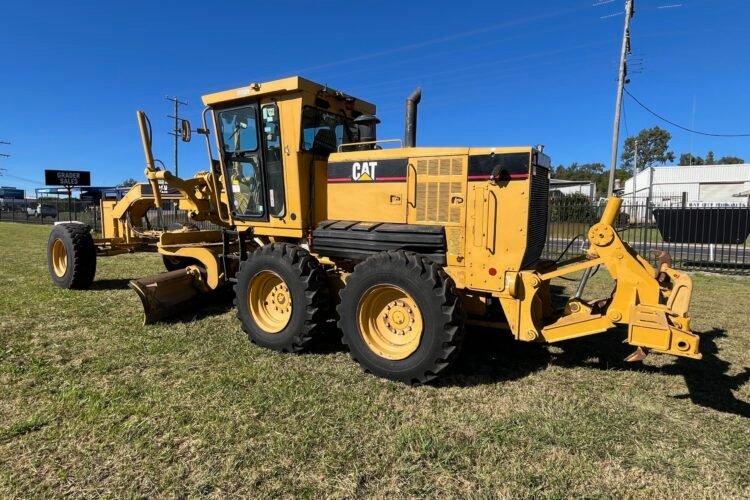
- Premium features like advanced telematics or electric drivetrains are often reserved for higher trim levels or the newest releases, at a real cost premium
- Some models are still running core platforms that have been around, in one form or another, for well over a decade
- Wait times on new equipment can stretch out, particularly for popular configurations, compared to generally faster availability from Chinese-brand suppliers
Chinese vs Traditional Machinery Brands: Which One Is Right for You?
There’s no universally right answer here when it comes to Chinese vs traditional machinery brands – it depends on how you use machinery, not which badge is on it. If uptime is non-negotiable, you’re working somewhere with limited service access, or resale value matters because you turn over your fleet regularly, the traditional brands’ track record and dealer coverage still carry real weight. If you’re working within a tighter budget, want current-generation features without paying a premium for them, or you’re buying for a fixed-term project rather than a decade of ownership, a Chinese-brand machine can do the same job for meaningfully less capital outlay. The gap between the two is closing every year, so the best approach is to compare the specific machine, the specific dealer’s local support, and the specific finance terms in front of you, rather than relying on brand reputation alone.
FAQs
Are Chinese machinery brands as reliable as traditional brands?
On this specific question, Chinese vs traditional machinery brands aren’t far apart. Reliability varies by model and how well a machine is serviced, but the newest generation of Chinese-brand equipment has closed much of the gap that existed a decade ago. The main unknown is long-term data – most models haven’t been on the market long enough to prove out extreme high-hour reliability the way Cat or Komatsu equipment has.
Do Chinese brand machines hold their value?
Generally they retain a lower percentage of their purchase price than traditional brands, though that gap is narrowing as dealer networks and reputation improve. Because the upfront price is also lower, total cost of ownership can still work out competitive over a shorter ownership period.
Is parts availability a problem with Chinese machinery in Australia?
It’s improved significantly in the last few years as brands like XCMG, SANY and CDM have expanded local distribution, but coverage can still be thinner in regional areas than the long-established dealer networks of traditional brands. It’s worth checking your local dealer’s stock and turnaround times before you buy.
Whichever way you lean on Chinese vs traditional machinery brands, the best next step is comparing real machines side by side. Browse current listings across both Chinese and traditional brands on Machinery Classifieds to see what’s available near you. And if you’re buying second-hand either way, our guide to avoiding a lemon is worth a read before you commit.




Comments
1
[…] you’re still deciding between a low-emission machine and a proven diesel unit, our guide to Chinese vs traditional machinery brands and our roundup of what’s trending in Australia’s machinery marketplace cover a lot of […]